
Press "Enter" to skip to content

Is Organic Food Really Healthier for Weight Loss?

0

You may have heard some of the heated discussions surrounding organic foods. Many people are looking for safer and more natural foods as an alternative to the processed foods that are pervasive in society and organic food fits the bill.

Some researchers say that organic foods are better for you, because they are free of pesticides. Others say that food is food and that organic food is no better for you than any other food.

Are foods grown organically better for you than non-organic foods for human health and healthy weight loss?

Nutrient Density in Organic vs. Conventional Food

What Is Nutrient Density?

Nutrient density refers to the amount of essential nutrients in a food relative to its calorie content. Foods that are rich in vitamins, minerals, fiber, and antioxidants—but low in calories—are considered nutrient-dense. For weight loss, choosing foods high in nutrients helps support metabolism, reduce cravings, and maintain energy while lowering calorie intake.

Organic Produce and Nutritional Value

Studies show that organic fruits and vegetables may contain higher levels of certain nutrients compared to conventionally grown ones. These include vitamin C, iron, magnesium, and phosphorus. Organic crops are often grown in healthier soil without synthetic fertilizers, which can lead to more nutrient-rich produce. Organic farming also avoids genetic modifications that may affect nutrient profiles.

Organic crops may also have higher concentrations of antioxidants. These include polyphenols, flavonoids, and carotenoids, which help reduce inflammation and oxidative stress in the body. This can indirectly support weight management by improving overall health and reducing fat storage linked to chronic inflammation.

Lower Levels of Additives and Artificial Chemicals

Organic foods typically contain fewer additives, preservatives, and artificial ingredients. This reduces exposure to synthetic chemicals that may interfere with digestion or metabolism. While the calorie count may not change, the quality of the food improves, which can lead to better satiety and appetite control.

Conventional processed foods often include refined sugars, artificial sweeteners, and flavor enhancers. These can disrupt hunger signals, cause blood sugar spikes, and increase the risk of overeating. Organic versions usually have simpler ingredients, making it easier to manage calorie intake and control cravings.

Choosing Nutrient-Dense Organic Foods

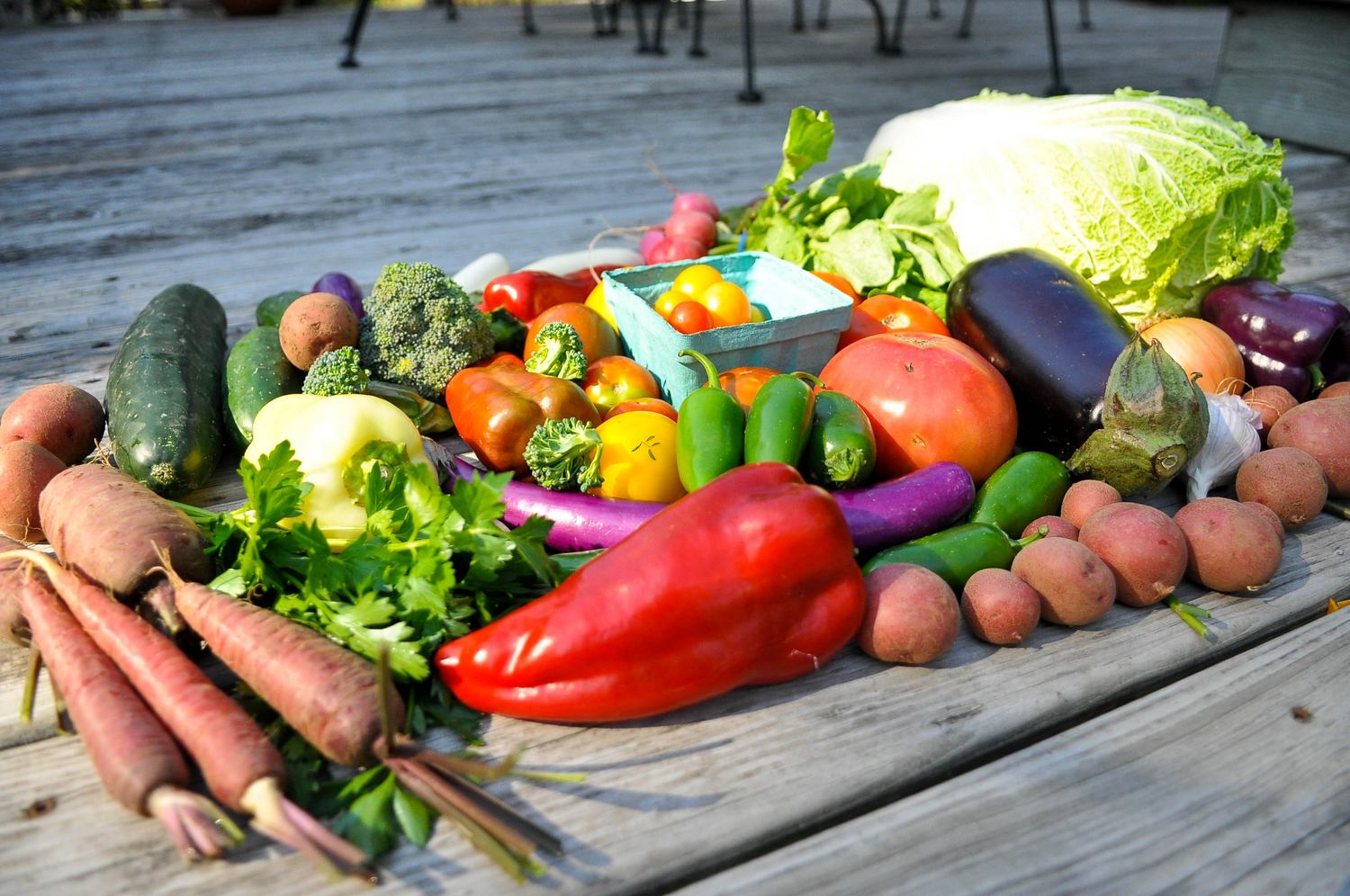
Not all organic foods are automatically nutrient-dense, so it is important to focus on whole, unprocessed items. Choose organic vegetables, fruits, legumes, nuts, and seeds over packaged organic snacks or sugary products. Examples of high-nutrient organic foods include:

  • Leafy greens (spinach, kale, arugula)
  • Berries (blueberries, raspberries, strawberries)
  • Cruciferous vegetables (broccoli, cauliflower, Brussels sprouts)
  • Whole grains (quinoa, brown rice, oats)

Pairing nutrient-dense organic foods with a calorie-controlled diet can support fat loss and overall health.

Organic foods may offer higher nutrient density by providing more vitamins, minerals, and antioxidants while limiting exposure to harmful additives. Choosing whole organic produce over processed options can help support weight loss and improve nutritional intake.

Impact of Pesticides on Metabolism

How Pesticides Enter the Body

Pesticide residues can remain on or inside fruits, vegetables, and grains even after washing or cooking. These chemicals are used in conventional farming to kill pests and increase crop yield, but traces often stay on the food that reaches consumers. Regular consumption of such foods leads to cumulative exposure over time.

Pesticides enter the body mainly through ingestion and are absorbed in the digestive system. From there, they may circulate in the bloodstream and accumulate in fat tissues or organs. This long-term buildup may disrupt normal metabolic functions and contribute to weight-related problems.

Hormonal Disruption and Weight Gain

Certain pesticides are classified as endocrine disruptors, which means they can interfere with hormone regulation. Hormones control appetite, fat storage, and energy use. When chemical exposure affects these hormonal pathways, it may slow metabolism and promote fat accumulation, especially around the abdomen.

Disrupted insulin and thyroid hormone levels are linked to weight gain and reduced fat-burning capacity. Pesticides such as organophosphates and organochlorines have been associated with changes in glucose metabolism, insulin resistance, and altered thyroid function—all of which can hinder weight loss.

Inflammation and Oxidative Stress

Pesticides may increase inflammation and oxidative stress in the body, which are both linked to obesity and metabolic syndrome. These effects can impair mitochondrial function, reduce energy expenditure, and lead to fatigue. Chronic inflammation also triggers the release of stress hormones that favor fat storage.

Oxidative stress damages cells and tissues, making it harder for the body to process nutrients efficiently. This can slow digestion, reduce nutrient absorption, and impair the body’s ability to regulate hunger and satiety signals.

Organic Food as a Safer Alternative

Organic farming avoids the use of synthetic pesticides and follows stricter regulations on chemical exposure. Choosing organic produce can lower the amount of pesticide residues consumed, especially in high-risk foods like strawberries, apples, spinach, and bell peppers.

Research shows that people who eat mostly organic food have lower levels of pesticide metabolites in their urine. This suggests a reduced burden on the body and a lower risk of metabolic interference.

Pesticide exposure from conventional food can disrupt hormones, promote fat storage, and slow metabolism, making weight loss more difficult. Organic food offers a cleaner alternative by reducing chemical intake and supporting healthier metabolic function.

Organic Food and Gut Health

The Role of Gut Health in Weight Management

Gut health plays a crucial role in digestion, nutrient absorption, and weight regulation. A balanced gut microbiome supports efficient metabolism and helps control inflammation. When gut bacteria are imbalanced, it can lead to digestive issues, increased fat storage, and difficulty losing weight.

A healthy gut promotes better breakdown of food and helps regulate hunger hormones like ghrelin and leptin. This balance prevents overeating and supports steady energy levels throughout the day.

How Organic Food Supports a Healthy Microbiome

Organic foods often contain higher levels of natural fiber, which feeds beneficial gut bacteria. Fiber is essential for gut health because it promotes the growth of helpful bacteria that aid digestion and improve metabolic function. Organic fruits, vegetables, whole grains, nuts, and seeds provide diverse types of fiber to nourish different bacteria species.

In addition to fiber, organic foods have fewer synthetic chemicals and preservatives. These chemicals in conventional food can harm the gut microbiota by killing beneficial bacteria or encouraging harmful strains. By reducing exposure to these substances, organic food helps maintain a balanced and diverse gut flora.

The Impact of Antibiotics and Hormones in Conventional Food

Conventional animal products may contain traces of antibiotics and growth hormones that affect gut bacteria. Antibiotics can disrupt the gut microbiome by killing beneficial bacteria along with harmful ones, leading to imbalances. Hormones used in animal farming may also affect human gut flora and metabolism.

Organic meat, dairy, and eggs come from animals raised without antibiotics or synthetic hormones. This reduces the risk of disrupting the gut microbiome and supports a healthier digestive environment, which is important for weight control.

Fermented Organic Foods and Their Benefits

Fermented organic foods like yogurt, kefir, sauerkraut, and kimchi provide natural probiotics that boost gut health. These live bacteria help restore the balance of gut flora, improve digestion, and reduce inflammation. Including fermented organic foods in the diet can strengthen the gut barrier and improve nutrient absorption.

Regular consumption of probiotic-rich foods supports a healthy metabolism and can aid weight loss by promoting better digestion and reducing bloating.

Organic foods support gut health by providing higher fiber content, reducing exposure to harmful chemicals, and offering probiotic benefits from fermented products. A healthy gut microbiome improves digestion, regulates hunger, and enhances metabolism, which together aid in weight management.

Benefits of Organic Food

The various benefits of organic food are hard to dispute. First, these foods are grown so they do not use potentially dangerous chemicals and pesticides that get into our body. Farmers who grow organic foods avoid using harsh and dangerous chemicals to control weeds, pests, insects and diseases that damage crops.

Natural fertilizers are used instead of chemicals fertilizers. If you are looking at organic meats, there is a difference there, too.

For example, traditionally, livestock farmers would inject their animals with antibiotics, growth hormones and other drugs to prevent disease and help the animals grow faster and bigger. Organic farmers do not.

Instead, they feed their animals organic foods and allow them to live outdoors and roam free. The farmers also take preventive measures to raise their livestock to guard against disease, instead of relying on chemicals and drugs. In a nutshell, organically grown animals and plants are better for the animals, the environment and your body.

Drawbacks of Organic Food

Many people find that there are some disadvantages of organic foods. On one hand, foods grown organically are more expensive. This is because it is more costly to raise animals organically. These higher fixed costs are of course passed on to the consumer.

Families on a tight food budget may not even consider organic foods solely due to the price. In addition, organic foods may be difficult to find. While many grocery stores and supermarkets in major population centers now carry organic foods, many smaller cities and communities may be limited in their food selections. You may have to seek out a specialty store or organic food store to broaden your food choices.

You should also remember that not all organic foods are the same. The USDA certified organic foods and has strict guidelines that must be followed by food producers. It is important to note that even if you buy food labeled as organic, it does not mean that all the ingredients in that product are organic.

If the food is USDA certified organic, this means that at least 95 percent of the ingredients are organic. Foods that are labeled as “Made with Organic Ingredients” means that the ingredients used to manufacture the products are 70 percent organic. These foods are not allowed to carry the USDA organic seal.

Are Organic Processed Foods Better for Weight Loss?

Understanding Organic Processed Foods

Organic processed foods are products made from organic ingredients but have undergone some level of processing. These include items like organic cookies, chips, cereals, and frozen meals. Although they carry the organic label, their nutritional value and impact on weight loss can vary greatly.

Processing often adds sugars, unhealthy fats, and salt, regardless of whether the ingredients are organic or not. These additives can increase calorie content and reduce the overall health benefits of the food.

Organic Label Does Not Guarantee Health

The organic label means that ingredients were grown without synthetic pesticides or fertilizers, but it does not mean the food is low in calories or free from unhealthy additives. For example, organic cookies can still be high in sugar and fat, which can contribute to weight gain if eaten in excess.

Many organic processed foods contain refined grains and added sweeteners, which can cause blood sugar spikes and increased hunger. This makes it harder to maintain a calorie deficit needed for weight loss.

Whole Organic Foods Are Better for Weight Loss

Whole, unprocessed organic foods such as fresh vegetables, fruits, nuts, seeds, and legumes provide better nutrition for weight management. They are naturally lower in calories and higher in fiber, vitamins, and minerals, which help with satiety and stable energy levels.

Fiber in whole foods slows digestion, reduces appetite, and supports healthy blood sugar levels. This makes it easier to control calorie intake and lose weight sustainably.

Making Smart Choices with Organic Processed Foods

If you choose organic processed foods, focus on options with minimal added sugars, low sodium, and healthy fats. Reading nutrition labels carefully helps identify better choices.

Examples of healthier organic processed options include:

  • Organic nut butters with no added sugar
  • Organic whole-grain crackers with simple ingredients
  • Organic canned beans without added salt or preservatives

These can fit into a balanced weight loss diet when eaten in moderation.

Not all organic processed foods are healthy or support weight loss. Many contain added sugars and unhealthy fats that can hinder fat loss goals. Choosing whole, unprocessed organic foods offers better nutrition and supports appetite control. When selecting organic processed items, prioritize those with simple, clean ingredients and low added sugars.

Best Organic Foods for Weight Loss

Leafy Greens

Leafy greens like spinach, kale, and arugula are excellent organic foods for weight loss. They are low in calories but packed with vitamins, minerals, and fiber. This fiber adds bulk to your diet, helping you feel full longer and reducing overall calorie intake.

These greens also contain antioxidants that reduce inflammation and support metabolism. Their high water content aids hydration and digestion, which are important for maintaining a healthy weight.

Berries

Berries such as blueberries, raspberries, and strawberries are nutrient-dense organic fruits ideal for weight loss. They provide natural sweetness with fewer calories than many other fruits. Berries are rich in fiber, vitamins, and antioxidants that promote fat burning and reduce oxidative stress.

Their fiber helps control blood sugar levels and prevents spikes that can trigger hunger. Berries can be enjoyed fresh, frozen, or added to smoothies and yogurt as a healthy snack.

Cruciferous Vegetables

Cruciferous vegetables include broccoli, cauliflower, Brussels sprouts, and cabbage. These organic vegetables are high in fiber and low in calories, making them excellent for weight loss.

They also contain compounds that may support detoxification and reduce inflammation. The dense nutrient content helps maintain energy levels while supporting a calorie-controlled diet.

Whole Grains

Organic whole grains such as quinoa, brown rice, and oats are good sources of complex carbohydrates and fiber. Unlike refined grains, whole grains digest slowly, providing steady energy and helping to keep hunger at bay.

Fiber in whole grains supports healthy digestion and can improve fat metabolism. Including moderate portions of whole grains in meals helps maintain balance and prevents overeating.

Nuts and Seeds

Organic nuts and seeds like almonds, walnuts, chia seeds, and flaxseeds offer healthy fats, protein, and fiber. These nutrients work together to promote fullness, reduce cravings, and support muscle maintenance during weight loss.

Despite their higher calorie content, nuts and seeds can be part of a weight loss plan when eaten in controlled portions. They also provide important micronutrients that support overall health.

Choosing these organic foods—leafy greens, berries, cruciferous vegetables, whole grains, nuts, and seeds—can support weight loss through nutrient density, fiber content, and healthy fats. These foods help control appetite, improve metabolism, and provide essential vitamins and minerals while keeping calorie intake manageable.

Summary

In summary, when it comes time to decide whether to buy organic food in the grocery store, keep a few things in mind. There have been no conclusive studies showing that organic foods are any more nutritious than non-organic foods.

While the USDA certifies those products as being organically grown, the agency does not endorse the foods as safer than as or more nutritious than non-organic foods of the same quality.

Also, bear in mind that some organic products may not have the same appearance as non-organic foods. This is because organic products are not enhanced with wax or preservatives. They may have shorter shelf life and spoil faster. Take all this into account when shopping or deciding ongoing organic.

Recommended Websites