

Believe it or not, weight loss programs and diets designed for people under 30 may not be suitable for people over 40.
For the most part, our body’s metabolism changes drastically once we reach the age of 30. Hormone levels begin to change, which affects the amount of weight we gain, as well as the ease with which we lose it. Unfortunately, the weight loss industry has many unscrupulous individuals who would like us to believe that we can lose up to 75 pounds in 12 weeks!
Statistics of Overweight Adults
In the United States today, approximately 2 out of 3 adults is now overweight. It’s not surprising then that the weight loss industry is a multibillion-dollar business and it’s flourishing. Instead, the real question is why do so many people keep returning to weight loss programs that don’t work, instead of doing what really works to maintain a healthy weight?
Realistically, the answer lies in the attraction to the newness of the new dealing of weight loss programs and the yearning for losing weight fast. Today everyone wants it fast. We want fast cars, fast food and fast weight loss all without the need to do any work.
Research data have hold up the fact that there is a time-honored way to successfully lose weight whether you are 20 or 40. The difference lies in the amount of effect it takes for someone over 40 to lose the weight and to maintain an ideal weight. There just is no easy fix that works.
Key Factors in Losing Weight for Adults
There are a few facts to keep in mind about losing weight if you are over 40.
The first fact is that dieting alone, without any exercise, is very likely to be ineffective in the long term to loss the weight and keeping it off.
A person will typically be able to lose 5 or 6 pounds with diet alone, without exercise. But in the first year or two, all that weight would be regained without some exercise program to keep the weight away.
Researchers have also found that there is a greater chance that Weight Watchers on diets, without any exercise regimen, will end up weighting more than before they began dieting. This fluctuating weight is actually more harmful to your health than if you maintained a few steady extra pounds.
The second fact that is important to recognize for anyone trying to lose weight is that in order to lose weight you have to consume fewer calories than you burn up. This means that the number of calories you eat each day in the foods you eat must be less than the number of calories you burn each day doing your daily activities, exercise or just breathing. That calories difference can be as few as 200 calories per day as long as it is a negative difference.
The greater the negative calories difference, the faster the weight will come off in the fastest time. A modest pace of losing weight is a much healthier way of weight loss than rapid weight loss and more effective in keeping the weight off. The goal you set should be to lose not more than a pound or two per week.
A third fact that makes up the heart of the many weight loss programs is the behavioral or moral support from either counselors or other diet participants. Even support over the Internet seems to be enough for short term weight loss goals. In a study published in the Journal of the American Medical Association published in 2003, researchers compared the effects of an Internet weight loss program alone versus the addition of behavioral counseling using e-mail as a provider for one year. They found that adding e-mail counseling to a basic weight loss intervention program notably improved the change of weight loss goals being met.
Basics of Weight Loss Programs for Adults
While it may be fun to try the newest diets used by celebrities in Hollywood or recommended by your closest friend, the basic framework of any weight loss program used is the same:
- Substitute most of what you are eating now with more fruits and vegetables, as well as adding raw foods to your diet which will decrease the amount of calories you take in, but that gives you the feeling of being full to satisfy your craving for more food.
- Add exercise to your weight loss program, even if it means only walking 30 minutes a day. This will help you to burn up more calories and put you into a negative calorie burn. Even if the deficit is only 200 calories each day, the calories will add up and help to maintain your weight loss in the long term.
- Change your mind set and think long term – Don’t think you are dieting to loss a few pounds, but that you are changing your eating habits for a lifetime of health living.
Weight Loss Diets for Adults
There are a number of different diet plans for adults in the weight loss market today that claim to help you lose weight.
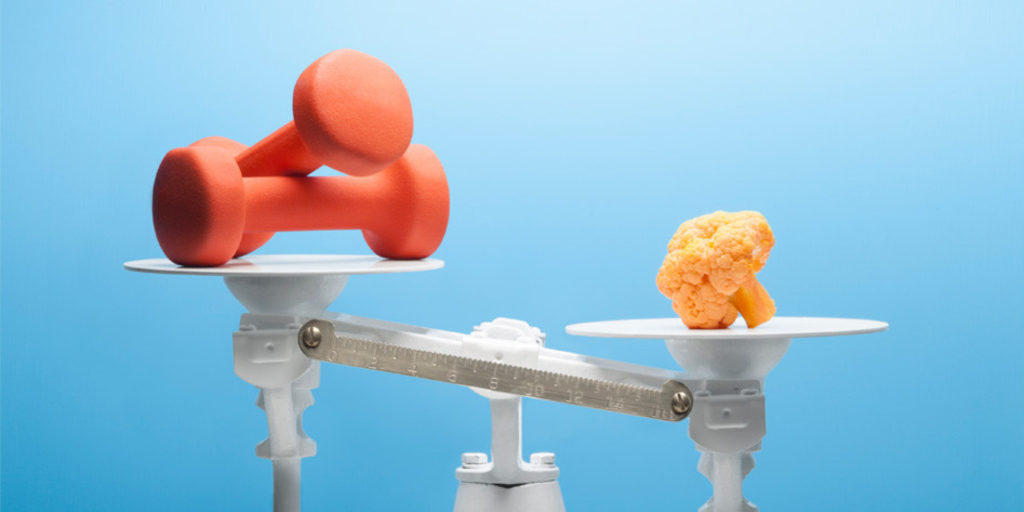
With all the claims made by these diet programs, it can be bewildering trying to sort out all of these diets and to pick the one that is right for you. Before trying any of the diets, ask your doctor or dietitian to help you decide which diet is suited for your health, your age and your activity level.
Fixed menu diet
A fixed menu diet limits you to a list of all the foods you will eat while you are on the diet plan. You are also limited as to the serving size of each of the food items at various meals. The fixed menu plan is easier to follow because the foods are pre-selected for you. However, the plan does limit your food choices, which may make the diet boring and more tempting to break. A fixed menu diet makes eating away from home and to stay with the plan difficult. Additionally, a fixed menu diet does not teach you the food selection skills that you will need to keep the weight off.
Exchange diet
An exchange diet allows you to pick a set number of servings from each of several food groups. The food items are picked because they provide about the same number of calories and you are allowed to exchange one item for another in the same group. With an exchange diet plan, you have a more varied and can more easily follow the diet away from home. More importantly being on an exchange diet plan teaches you to selection foods that will help you keep your weight off.
Prepackaged meal diet
These diet plans require that you to buy prepackaged meals with the exact portions to limit your calorie intake. Such meals may help you learn appropriate portion sizes. However, prepackaged meals are usually expensive. Before you decide on this type of diet, make sure you know whether you need to buy the meals and how much each meal will cost. You should also find out if the program allows you to learn how to select and prepare your own foods for the meals, skills that you will need to keep the weight from coming back on.
Formula diet
Formula diets, also called drink diets, are weight loss plans that replace one or more meals with a liquid formula. Most formula diet shakes or beverages are balanced blends of protein, carbohydrate, and usually a low amount of fat. Formula diets are economical and easy to use. These diet plans usually are effective for short-term weight loss, but most people regain the weight as soon as they stop using the formulas and start eating regular foods. In addition, formula diets do not allow you to learn how to eat healthier, a necessary skill for keeping your weight off.
Flexible diets
Flexible diets are the low fat or low calorie diets that are promoted by some programs or books. Flexible diets seem to work well for many people and teach them how to control what they eat. These diets usually address either only fat intake or only calories intake and forget about the whole diet. For example, a program that cuts out fats will have no limit on the amount of calories you get from sugars, and you end up gaining weight despite being on the diet.
Fad diets
These diets are usually regional diets or diets that are used by celebrities and are typically a combination of certain foods with the goal of losing weight fast. These diets often lack the essential nutrients that your body needs to function and are harmful for your body and your health. They are often used as a way to loss a few pounds fast but are not effective for long-term weight loss.
Weight Loss Diets for Adults: Summary
There are many types of diets plans on the market for adults. Some plans will work for some people and not work for others. For a diet to be effective, it has to be an eating plan that you can live with. The diet plan should not only help you lose weight but it should also teach you how to select and prepare healthy foods so that you will for the skills to help you keep the weight off and maintain your new weight.