
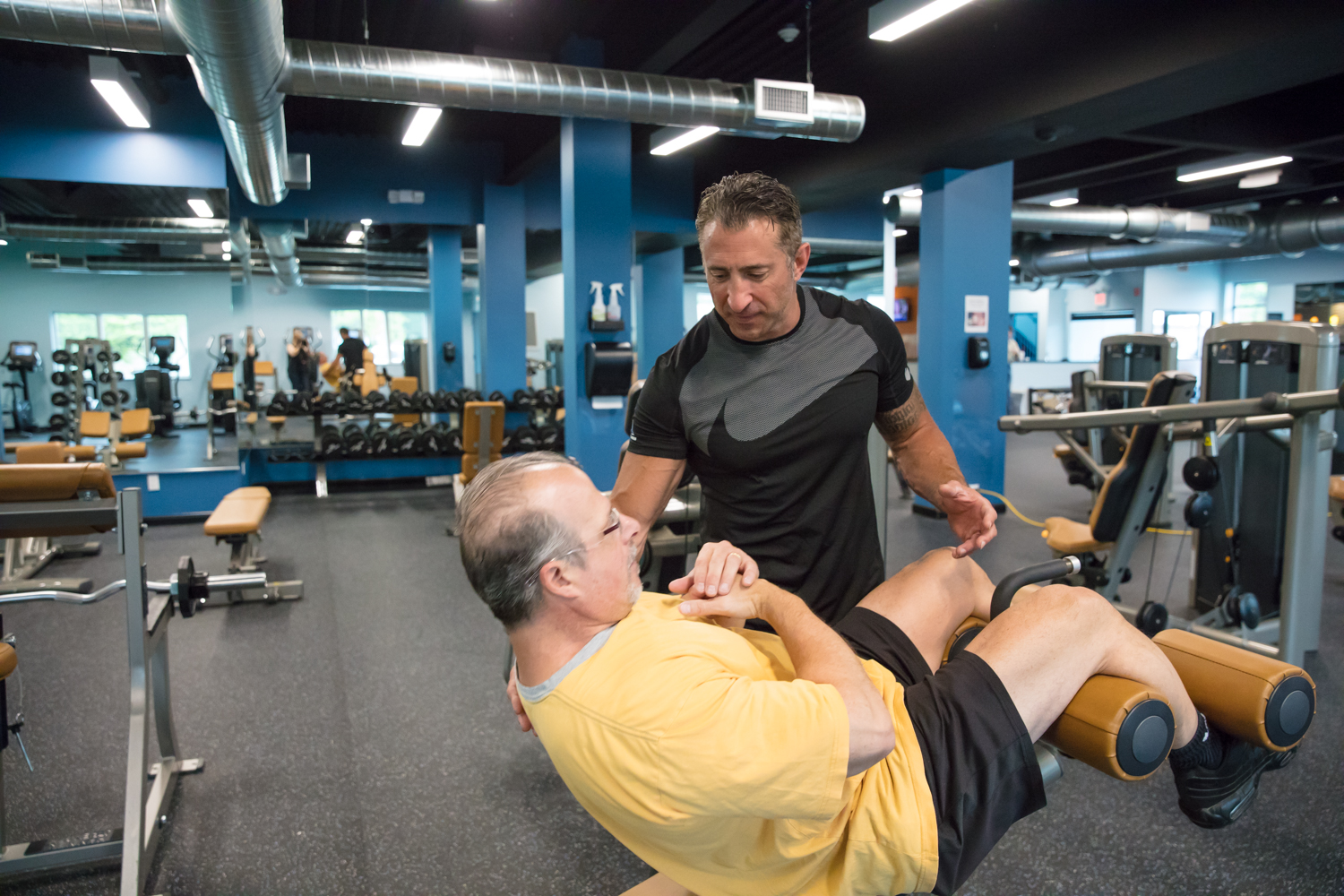
Many weight loss success stories of today are those that involve a whole lot of working out at the gym. While some would even claim that they have a special formula on how to lose weight without dieting or exercising, there are very few or no verifiable accounts at all of how these people actually made it happen.
If you want to lose weight and achieve your fitness goals, then you have to start with weight loss exercises at the gym.
When working out is combined with a balanced diet and a whole lot of patience, then you can be sure that you will lose all that excess weight before you even know it.
Understanding What a Gym Membership Really Offers
Access to a Wide Range of Equipment
A gym membership provides access to equipment that most people cannot keep at home. This includes cardio machines, free weights, resistance machines, and functional training tools. Variety allows users to train different muscle groups and adjust workouts as fitness improves. Equipment is maintained for safety and performance, which reduces injury risk. Access to multiple options also prevents boredom and supports long-term consistency.
Group Classes and Structured Programs
Most gyms offer group classes that add structure and motivation to workouts. Classes may include strength training, yoga, cycling, Pilates, or high-intensity sessions. These programs follow planned routines that help users stay consistent. Group settings also create accountability and encourage correct pacing. Many gyms include classes in the membership fee, which adds value without extra cost.
Professional Support and On-Site Expertise
A gym membership often includes access to trained fitness professionals. Staff members can explain equipment use, suggest routines, and correct basic form. Some gyms offer fitness assessments or short consultations. This support helps beginners feel more confident and helps experienced users refine technique. Proper guidance reduces the chance of injury and wasted effort.
Recovery and Wellness Features
Modern gyms now focus on recovery as much as exercise. Many locations include stretching zones, foam rollers, massage tools, or saunas. These features support muscle recovery and reduce soreness. Recovery areas also promote relaxation and stress control after workouts.
Digital Tools and Member Benefits
Many gyms now provide digital tools that extend support beyond the facility. Apps may track workouts, schedule classes, or offer on-demand training videos. Members may also receive discounts on wellness products or health services. These extras help maintain routine and improve results.
A gym membership offers equipment access, expert support, structured programs, recovery tools, and added services that support complete fitness and health.
How to Choose the Right Gym for Your Fitness Level
Define Your Fitness Goals First
The first step in choosing a gym is to understand your personal fitness goals. Some people focus on weight loss, while others aim to build muscle, improve flexibility, or support overall health. A gym should match these goals through its equipment, classes, and training options. Clear goals help avoid paying for features you will not use. This approach also improves long-term commitment.
Evaluate Equipment and Facilities
The right gym should offer equipment that matches your experience and comfort level. Beginners benefit from guided machines and clear layouts, while advanced users may prefer free weights and functional training zones. Check if the gym feels crowded during peak hours. Cleanliness and equipment condition matter for safety and motivation. A well-maintained space supports consistent workouts.
Consider Location and Schedule
Convenience plays a major role in maintaining a gym routine. Choose a location close to home or work to reduce travel time. Review operating hours to ensure they fit your schedule. Gyms with flexible hours make it easier to train consistently. Easy access often determines whether a membership gets used.
Assess Support and Atmosphere
A supportive environment helps people stay motivated at any fitness level. Observe how staff interact with members and answer questions. Look for clear signage and beginner-friendly policies. A comfortable atmosphere reduces anxiety and builds confidence. Feeling welcome increases the chance of regular attendance.
Review Membership Options and Trials
Transparent pricing and trial access help you make an informed decision. Many gyms offer short-term passes or trial periods. Review contract terms, cancellation policies, and added fees. This prevents unexpected costs and long-term frustration.
Choosing the right gym depends on clear goals, suitable equipment, convenience, supportive staff, and fair membership terms.
Benefits of Gym Membership
But gym membership can be quite expensive and so a lot of people who want to become fitter and healthier just don’t consider signing up at all. However, if you’ve already tried losing weight through other methods or by exercising on your own, then you must already subscribe for gym membership today.
For as long as you stay committed and determined to go to the gym as scheduled, you will certainly lose weight and achieve your goals.
Common Gym Myths That Hold People Back
Gyms Are Only for Athletes
Many people believe gyms are only for professional athletes or very fit individuals. In reality, gyms cater to all fitness levels, from beginners to advanced users. Equipment and classes are designed for gradual progress, allowing anyone to start safely. Understanding this can reduce intimidation and encourage new members to begin their fitness journey confidently.
Weight Training Will Make You Bulky
A common misconception is that lifting weights automatically leads to large, bulky muscles. Muscle growth depends on genetics, diet, and training intensity. Most people gain strength and tone rather than extreme size from regular resistance training. Strength exercises also boost metabolism, support bone health, and improve posture without causing unwanted bulk.
You Must Spend Hours in the Gym
Some assume that effective workouts require long hours at the gym. In reality, short, focused sessions can be highly effective. High-intensity workouts, circuit training, and consistent routines deliver measurable results in less time. This myth often prevents people from starting, but even 30–45 minutes per session can make a significant difference.
Gyms Are Intimidating for Beginners
Beginners often feel they do not belong in a gym because of fear or perceived judgment. Most gyms actively provide beginner programs, orientations, and staff support. Group classes and personal training sessions also help newcomers learn proper form and build confidence. Understanding that gyms welcome all levels reduces anxiety and promotes consistent attendance.
Cardio Alone Is Enough for Fitness
Another misconception is that cardio exercises alone can achieve total fitness. A balanced routine includes strength training, flexibility work, and rest. Focusing only on cardio may limit results and increase the risk of injuries. Gyms provide the environment and tools to create a comprehensive workout plan.
Gyms are accessible to everyone, weight training builds tone rather than bulk, short sessions can be effective, and beginners are supported—debunking myths that often hold people back from joining.
Top 5 Reasons to Start Gym Membership
If you need a little more convincing, here are some reasons you should sign up for the gym today:
- Gyms are equipped with a variety of equipment you can use in rotation. Instead of just settling with an indoor bike or a treadmill at home, you can use different gym equipment when you are a member. Not only will each equipment target different areas of your body that you want to work on, you simply won’t get tired of doing the same workout over and over again.
- You can get assistance from an expert fitness coach when in the gym. There will be a coach available for you to consult at the gym. From the foods you have to eat to the frequency of your workout sessions, these coaches are experts on anything about fitness, so feel free to ask them. Furthermore, you won’t be scared to try out new exercises that you never thought you could do.
- There’s a schedule you strictly have to follow when working out. When you work out on your own, you have control over your schedule. But if you have a workout schedule at the gym, then you have to follow it. Especially if you hired a coach to train you at the gym, then you would have to show up.
- You might even make new friends at the gym. There will always be other people in the gym. Most often than not, these people will come back again and again, usually at the same schedule. So you will see them pretty often. Before you know it, you would have made a new friend or two!
- There will be people motivating you and pushing you to reach your fitness goals. Because everyone else around you are trying to get fit as well, they will be there to motivate you too. Especially when you want to lose a significant amount of weight, expect your gym mates to cheer you on as you get close to your weight and body goal!
Exercise Plan
Now when you are ready to start your gym membership, it’s time to think about exercise plan. Anyone who has struggled to lose weight and failed several times before finally succeeding knows that exercising can sometimes be very boring.
Exercising can be monotonous, repetitive and just tedious especially if you do the same things over and over again. This is also the reason why there are many who can’t seem to go even beyond a few days of exercising consistently.
How to Come Up with a Less Boring Weight Loss Exercise Plan
Losing weight requires patience and a whole lot of determination. If simple boredom can make you give up, there are challenges you’d have to face that are even more difficult than this. Thankfully, there are ways for you to beat the boredom, or even better, make your weight loss exercise plan not boring at all.
Here are a few ideas of how to come up with a less boring exercise plan for weight loss.
Don’t Focus on Just One Exercise
There are many kinds of weight loss exercises. You can run, play sports, go to the gym, follow exercise videos at home, walk and run on the treadmill or other fitness equipment at home, lift weights and so much more. Don’t choose just one — try them all.
Create an exercise schedule and stick to it. For instance, you can go to the gym twice or thrice a week, run around the neighborhood once a week, play sports during the weekend, and workout at home along with exercise videos for the rest of the week. Don’t skip a day because that day might make you lose your momentum.
Invest in Exercise Equipment and Gear
When you buy new exercise equipment and outfits to wear while exercising, you will feel guilty when you end up not using them. Even better, this equipment and gear will make your exercise sessions more interesting.
You won’t look too haggard when exercising when you dress up nicely for sure! You will also enjoy exercising when you have more than just one old boring indoor bike that you can use. Truth is, you can end up saving more if you just invest in several types of fitness equipment and build your own gym at home rather than paying hefty gym membership fees every month or year!
Find Ways to Entertain Yourself While Exercising
Who says you can’t do two things or more at the same time while exercising? Yes, you may have to use your entire body while exercising but you can still find ways to entertain yourself. If you place your treadmill right in front of the TV and binge-watch your favorite series while exercising, you might not notice it but you’re already exercising for a couple of hours!
Listen to great music, think of your schedule for the rest of your day, reflect on your life goals. You can do so much while working out so you won’t get bored!
Find a Workout Buddy
Nothing beats boredom more than having someone to share your exercise sessions with. Perhaps a friend of yours who is also on a weight loss journey can join you as you exercise every day. You can work out with your spouse, kids or other family members too!
When you have a workout buddy, not only will you have someone to chat with and share the experience with, you also have someone who will motivate you to never quit!

Nutrition and Recovery: What to Know When You Join a Gym
The Importance of Balanced Nutrition
Nutrition plays a key role in achieving fitness results. Consuming the right mix of protein, carbohydrates, and healthy fats supports muscle growth, energy levels, and overall performance. Protein helps repair muscles after workouts, while carbohydrates provide energy for cardio and strength training. Including fruits, vegetables, and whole grains ensures sufficient vitamins and minerals for recovery and immune support.
Hydration for Optimal Performance
Staying hydrated is essential before, during, and after exercise. Water regulates body temperature, supports joint function, and aids nutrient transport. Dehydration can reduce endurance, cause fatigue, and increase the risk of injury. For longer or intense sessions, electrolyte drinks may help maintain fluid balance. Drinking water consistently throughout the day is more effective than consuming large amounts only during workouts.
Timing Your Meals and Snacks
Meal timing can improve workout performance and recovery. Eating a small snack containing protein and carbs about 30–60 minutes before exercise can boost energy. After workouts, consuming protein-rich foods within 1–2 hours helps repair muscles and replenish glycogen stores. Avoid heavy, greasy meals before training, as they may cause discomfort and reduce performance.
Prioritizing Rest and Recovery
Recovery is as important as the workouts themselves. Muscles grow and repair during rest periods, not during training. Aim for 7–9 hours of sleep per night and schedule rest days to prevent overtraining. Stretching, foam rolling, and light activity on rest days can reduce soreness and improve flexibility. Recovery strategies help maintain consistency and long-term progress.
Combining Nutrition and Recovery for Results
A consistent approach to nutrition and recovery enhances overall fitness gains. Proper fueling, hydration, and rest improve energy, reduce fatigue, and minimize the risk of injury. Integrating these habits with your gym routine creates a strong foundation for achieving both short-term and long-term fitness goals.
Balancing nutrition, hydration, meal timing, and recovery supports better performance, faster muscle repair, and sustainable results when starting a gym routine.


Great stuff, a really interesting read – added to favorites so will visit back for new content about fitness goals. Thanks again.
Thanks on your marvelous posting! I genuinely enjoyed reading it, you are a great author. I will remember to bookmark your blog and may come back later on. I want to encourage that you continue your great writing, have a nice evening!
Very nice article, totally what I needed.
You really make it seem so easy together with your presentation however I find this matter to be really something which I think I might never understand. It sort of feels too complicated and extremely large for me.
I am looking forward in your subsequent post, I will try to get the hold of it!
Great website. Plenty of helpful information here. And obviously, thanks for your sweat!
Excellent blog post. I absolutely love this site.
Stick with it!
Superb, what a website it is! This webpage gives valuable data to us, keep it up.