
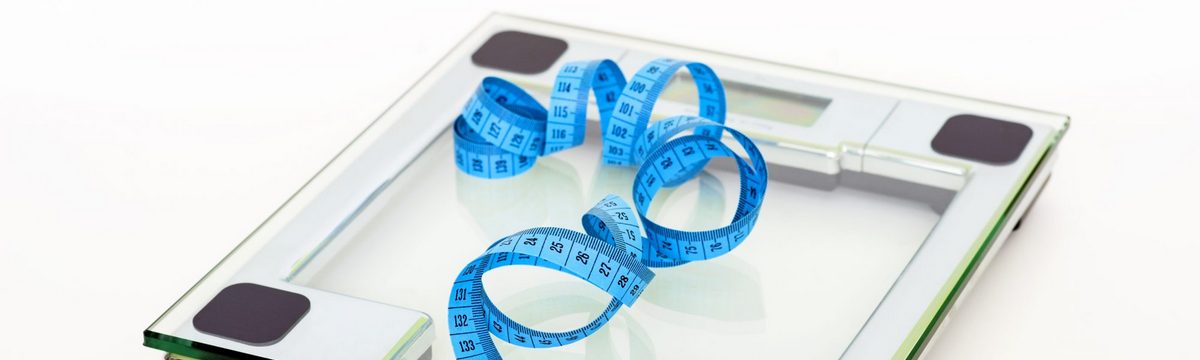
If you are looking for a weight loss program, you may feel a bit overwhelmed by the sheer number of different weight loss programs available.
The weight loss industry is big money and there are all types of advertisement touting all sorts of weight loss programs to all the people that are desperate to lose weight.
The basic principle of any successful weight loss program is to allow you to safely and slowly lose weight by burning more calories than you consume. In order to burn more calories than you consume you need to reduce the caloric intake by not overeating or by eating healthier foods that are low in fat and sugar. Another way to burn more calories than you consume is to increase the energy you burn up each day by exercising more.
Avoid falling for the promises offered by the latest fad or starvation diets for your weight loss program. With these fad diets, you not only risk doing real harm to your body but any weight loss success you gain at the start of these programs will quickly fade, and you will regain the weight when you go back to your regular eating habits.
How to Know If You Actually Need to Lose Weight
Check Objective Health Markers
You should first look at measurable health indicators instead of relying on appearance alone. Body Mass Index (BMI) can offer a general guideline, but it does not account for muscle mass or body composition. A BMI in the overweight or obese range may suggest risk, but it should not be the only factor. Waist circumference is another useful tool, as excess abdominal fat links to higher risk of conditions like Type 2 Diabetes and Hypertension. Blood markers such as cholesterol, blood sugar, and triglycerides provide a clearer picture of internal health.
Assess Daily Function and Energy Levels
Your body’s performance in daily life can reveal more than numbers on a scale. Low energy, frequent fatigue, or difficulty completing simple physical tasks may signal that weight is affecting your health. Shortness of breath during mild activity, joint discomfort, or poor sleep quality can also indicate that your body is under strain. These signs often appear before more serious medical issues develop.
Consider Medical and Personal Context
Your personal health history and lifestyle play a key role in determining if weight loss is necessary. A doctor may recommend weight loss if you have conditions linked to excess weight, such as Obesity or metabolic disorders. At the same time, some individuals with higher body weight may still have normal lab results and good physical fitness. This shows that health status matters more than weight alone.
You need to evaluate health markers, daily function, and medical context to decide if weight loss is necessary. Objective data and physical well-being provide a more accurate guide than appearance alone.
Common Reasons People Decide to Lose Weight
- Many people choose to lose weight to lower the risk of serious health conditions. Excess body fat increases the likelihood of diseases such as Type 2 Diabetes, Hypertension, and heart disease. Doctors often recommend weight loss when lab results show elevated blood sugar, cholesterol, or blood pressure. Even a modest reduction in weight can improve these markers and reduce long-term health risks.
- Some individuals focus on weight loss to enhance strength, mobility, and endurance. Carrying extra weight can limit movement, reduce stamina, and increase strain on joints. People who engage in sports or regular exercise may notice better performance after losing excess fat. Improved breathing, faster recovery, and greater flexibility are common benefits linked to a healthier body weight.
- Emotional and psychological factors also play a strong role in the decision to lose weight. Many people want to feel more confident in their appearance or comfortable in their clothing. While weight loss can support self-esteem, it is important to set realistic expectations and avoid tying self-worth only to body size. A balanced approach helps maintain both mental and physical well-being.
- Healthcare providers may advise weight loss as part of a treatment plan. Conditions like Polycystic Ovary Syndrome or joint-related issues often improve with weight management. In these cases, weight loss becomes a structured goal supported by medical guidance, nutrition plans, and monitored progress.
People decide to lose weight for health, performance, confidence, and medical reasons. Clear and realistic goals help ensure that weight loss efforts remain safe and sustainable.
Signs Your Body May Benefit from Weight Loss
- Ongoing fatigue can signal that excess weight is placing extra strain on your body. When the body carries more weight than it can efficiently support, daily tasks require more energy. This often leads to tiredness even after adequate rest. Poor energy levels can also connect to blood sugar imbalance, which is commonly seen in conditions like Type 2 Diabetes.
- Joint pain is a common physical sign that your body may benefit from weight loss. Extra weight increases pressure on joints, especially in the knees, hips, and lower back. Over time, this strain can lead to inflammation, stiffness, and reduced mobility. People with higher body weight also face a greater risk of developing Osteoarthritis, which worsens with continued joint stress.
- Difficulty breathing during simple movements may indicate reduced cardiovascular efficiency. Activities like climbing stairs or walking short distances should not cause extreme breathlessness. When they do, it may suggest that the heart and lungs are working harder than normal. This can be an early warning sign of reduced fitness or underlying health concerns linked to Obesity.
- Sleep issues often develop when body weight affects breathing patterns and comfort. Excess weight, especially around the neck, can restrict airflow during sleep. This may lead to interrupted rest or conditions like Sleep Apnea. Poor sleep then affects energy, mood, and overall health, creating a cycle that is hard to break.
Fatigue, joint pain, breathlessness, and poor sleep are key signs that weight may be affecting your health. Recognizing these symptoms early allows you to take action before more serious issues develop.
When You Should NOT Focus on Weight Loss
Pregnancy and Postpartum Recovery
Pregnancy and the period after childbirth are not appropriate times to pursue weight loss aggressively. The body requires adequate calories and nutrients to support fetal development and recovery after delivery. Restrictive dieting during this time can affect both maternal health and milk production. A gradual return to balanced eating and light activity is safer than rapid weight loss.
History of Eating Disorders
Individuals with a history of disordered eating should avoid weight-focused goals without professional guidance. Conditions such as Anorexia Nervosa or binge eating disorder can resurface when weight loss becomes the primary focus. Strict diets and calorie tracking may trigger unhealthy patterns. Mental health support and a balanced approach to nutrition are essential in these cases.
Underweight or Nutritional Deficiency
People who are underweight or lack essential nutrients should not attempt to lose weight. A low body weight can weaken the immune system, reduce energy levels, and impair organ function. In such situations, the priority should be restoring nutritional balance and achieving a healthy weight range through proper dietary intake.
High Stress or Illness Recovery
Periods of high stress or recovery from illness are not ideal for weight loss efforts. The body needs extra energy to heal and manage stress responses. Attempting to restrict calories during this time may slow recovery and increase fatigue. Chronic stress also affects hormones, which can make weight loss less effective and harder to maintain.
Weight loss should be avoided during pregnancy, eating disorder recovery, underweight conditions, and high stress or illness. In these situations, the focus should shift to healing, stability, and overall health rather than reducing body weight.
There are safe ways to lose weight!
There are safer ways to lose weight. If you are unsure about what programs are right for you, ask your doctor for advice on losing weight since she will be able to suggest programs that takes in to consideration your particular health situation.
Don’t lose weight too quickly
A safe rate of weight loss is approximately one pound per week. There is approximately 3,500 calories in a pound, so if you want to lose a pound in a week, you need to burn 3,500 more calories than you take in during the week. Using your math skills that you learned in school, you would see that reducing your calories intake by 500 calories per day over a 7-day period give you that 3,500-calorie.
If your doctor approves of you losing 2 pounds per week you would need to reduce your daily caloric intake by 1,000 calories. You can easily reach this goal of 1,000 calories per day by burning the extra calories by increasing physical activity and reducing caloric intake. When you combine these two activities you should see real results in weight loss without depriving yourself of food.
If you are a woman trying to lose weight, don’t take in less than 1,200 calories per day unless your doctor has cleared you. Men should not go below a daily caloric intake of 500 to 800 calories.
Eat a balanced diet
When limiting your calorie intake, you must still meet the basic nutritional needs of your body. Eat a variety of foods every day but in smaller portions. Choose food from each of the five food groups (milk, meat, fruit, vegetable and bread) and allow for an occasional treat. Reduce or eliminate foods high in fat and sugar, or substitute with reduced-calorie and reduced-fat foods and beverages.
You should also evaluate your eating patterns. Try to eat at regular set times each day. If eating three times a day has you feeling hungry all thought the day, try eating six small meals a day to control your hunger.
If you prefer to stay with three main meals a day, plan for low-calorie between-meal snacks to wore off the hunger feeling without overeating at the next scheduled main meal.
Exercise to loss weight
Exercise is an important part of losing weight. Try to add some simple calorie burning activities into your daily routine. The amount of exercise you need to lose your weight depends on your current weight, how much weight you are trying to lose and the weight that you want to maintain. Exercise not only burns excess calories, it can also increase your body’s metabolism rate and decreases your appetite for food. Exercise also has psychological benefits. It can improve your overall sense of well-being and relieve stress that can lead to overeating.
Decide the type of exercises to loss weight that best suits your lifestyle and personality. If you are not active to begin with, you should work your way up from mild aerobic exercises, such as brisk walking, jogging or swimming, to more moderately vigorous exercises, such as dance aerobic, cycling or jumping rope.
Maintain your weight
What good is working hard to lose your weight only to have it keep coming back. Unfortunately, a successful weight loss program involves losing the weight and keeping the weight off. For most people keeping the weight off is the more difficult part of their battle with their weight.
Surveys indicate that less than a third of the people who lose weight are able to keep the weight off. Long-term success with any program means continuing the good eating and exercise habits you developed while you are losing the weight.
It will take time and commitment on your part to make these new habits seem second nature and a normal part of your life.
Summary
Don’t let a temporary setback get you down. Go back to the success you had when you were in your lose the weight mode with the program. Stay motivated and focus on your goal of keeping your weight down. Seek help if you can’t do it alone.
Be prepared to get up earlier in the morning or to do something else that works for you to give you more time to exercise. You will notice an increase in your confidence and fitness if you keep at it. You will start to have more energy and look better than ever.
Make certain that you find out if your insurance policy will cover some of the costs. It may cost as much as a small fortune, but that is what the insurance is for. If your insurer does not pay, do not get sucked into the idea that you are paying for a personal trainer. Find someone else or do it yourself.
Don’t ever give up. If you keep working out, you are certain to succeed. Don’t let negative thoughts about yourself keep you from getting in shape. Acknowledge the fact that you have to lose weight.
There are many weight loss organization or support groups that you can join. Don’t forget to check your local hospital, which may offer weight loss clinics staffed with professionals that can help you stay focus and on track to keep your weight off.


Thanks, I’ve been looking for these weight loss tips for a long time!